In development · Seeking partners & funders · 2026
Savannah
Express
A climate storytelling expedition along the Ewaso Ng'iro corridor in Northern Kenya.
A solar-powered mobile studio travels with young Kenyan artists, storytellers and community organisers, documenting how communities are responding to drought, water scarcity and pressure on pasture.
Duration
18 months
Nov 2026 - Apr 2028
Region
Ewaso Ng'iro
Laikipia · Samburu · Isiolo
Team
Kenya-led
Young creators · field producers
Outputs
Multimedia corpus
Film · sound · photo · platform
The project does not arrive with a pre-defined message about climate solutions.
It follows what is already emerging from the ground, with particular attention to women, elders, youth and local environmental actors often absent from mainstream climate narratives. Pastoral mobility is one of the region's oldest climate adaptation systems. Under today's climate stress, these practices are being tested and reinvented.
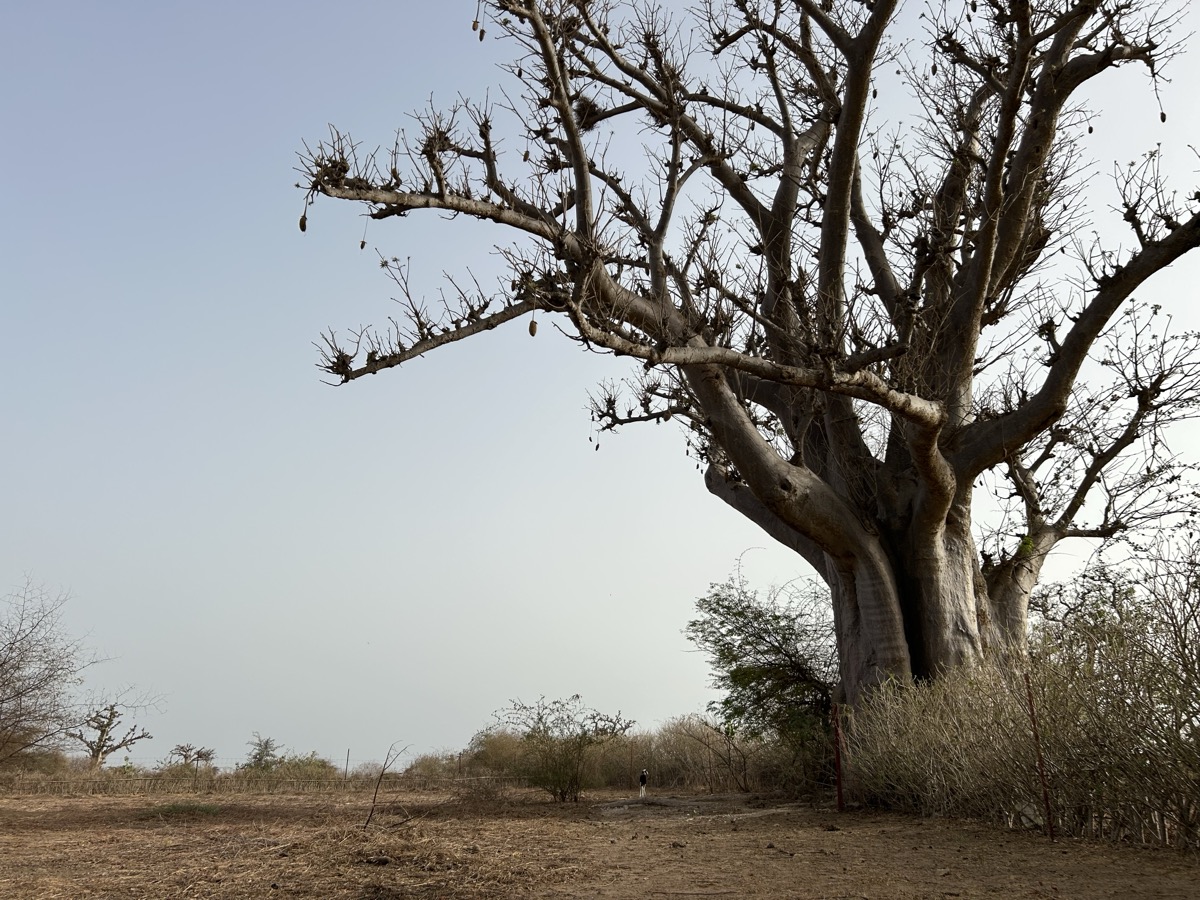
Drylands of the Ewaso Ng'iro corridor. Placeholder image — field photography forthcoming.
The corridor
Where water, mobility and pasture shape survival
The Ewaso Ng'iro river follows a corridor that sustains people, livestock and wildlife across one of East Africa's contested dryland landscapes. From the Laikipia plateau toward Samburu and Isiolo, it links community lands, conservancies, grazing areas, riverine forests and wildlife-livestock corridors.
The 2020-2023 Horn of Africa drought made these pressures visible across Kenya's northern rangelands. Communities here have developed ways of living with variability over generations - reading rainfall, moving with herds, negotiating water access, sharing risk and preserving ecological memory.
Rangelands cover more than half of the Earth's terrestrial surface. The climate intelligence carried by pastoral communities deserves to be heard far beyond Northern Kenya.
The expedition
Eighteen months, five phases
The calendar is designed around the climatic and logistical realities of the corridor. The main expedition takes place in the post-long-rains dry window, when road access is reliable while the landscape still carries visible traces of rainfall and pasture dynamics.
Phase 1
Nov - Dec 2026
Preparation, access, technical readiness
Route confirmation with local partners. Story research conversations with community organisers, youth groups, women's groups, artists, conservancy actors. Solar power system, transport configuration, Starlink connectivity and field protection added to the existing container-studio.
Phase 2
Jan - Feb 2027
Main expedition, 24 days, 5-6 stops
The mobile studio operates as both production space and public engagement device. Interviews, observational filming, sound recording, photography, music sessions, story development conversations. Two narrative layers emerge: climate solutions encountered along the corridor, and the story of the travelling studio itself.
Phase 3
Sep - Dec 2027
Postproduction, first cut, follow-up shoot
Edit, photographic series, soundtrack composition. A 10-day follow-up shoot captures missing scenes, revisits key protagonists, records additional music. Daily backup, logging and rough sequencing run during the expedition itself.
Phase 4
Jan - Feb 2028
Community review, final cut, local return
Rough-cut review sessions with participating communities and local partners. Participants can request removal or restriction of material concerning them. Community screenings and listening sessions in the three counties. Durable copies left with local partners for education and continued use.
Phase 5
Mar - Apr 2028
Launch, festivals, platform, wider distribution
Documentary and photographic series positioned for African and international festivals. Nairobi practitioner screening bringing together pastoralist organisations, climate actors, conservation practitioners and cultural partners. Curated online narrative hosting trailer, capsules, photographs, soundtrack and field recordings.
The mobile studio
A solar-powered recording studio on the road
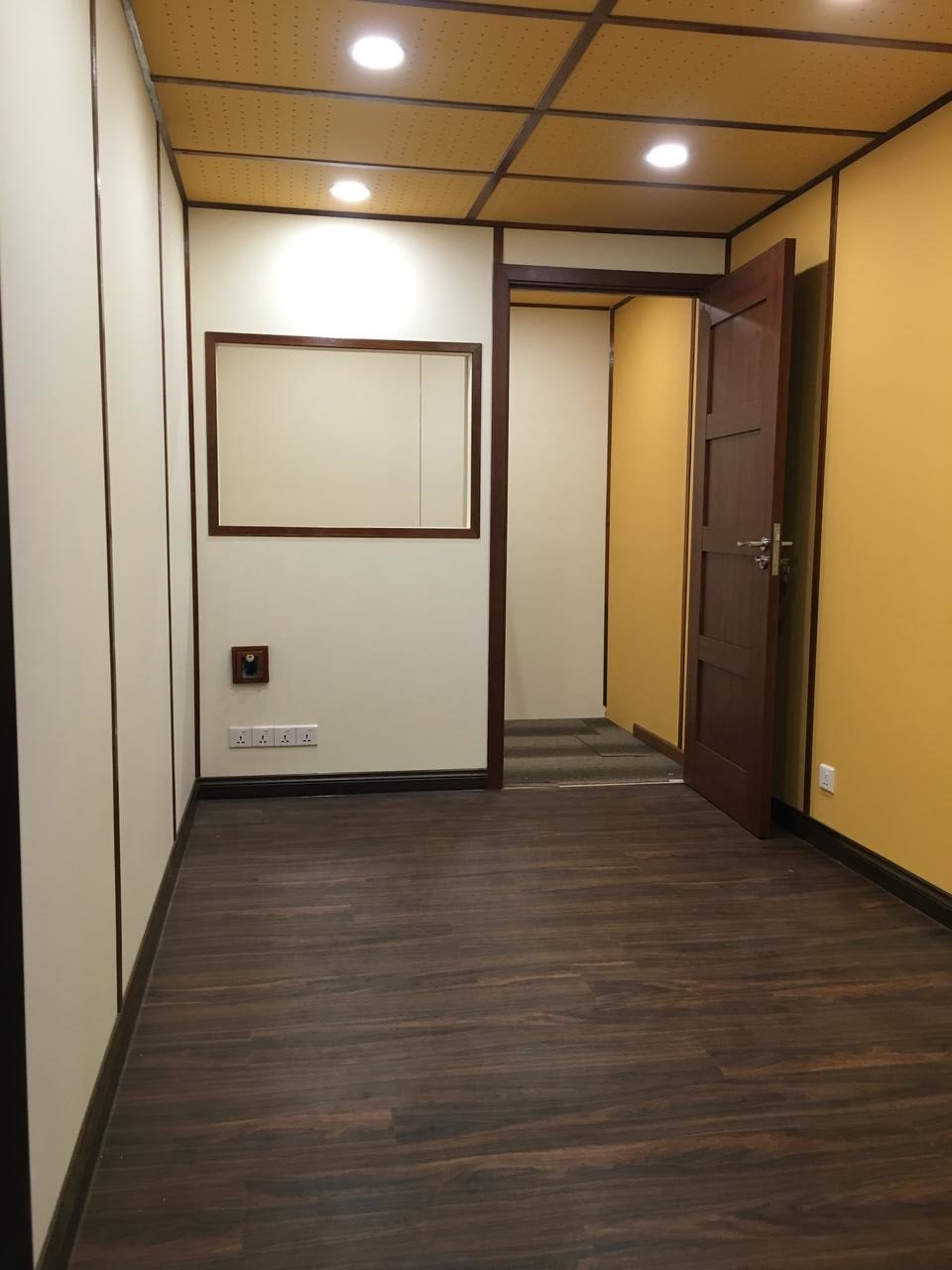
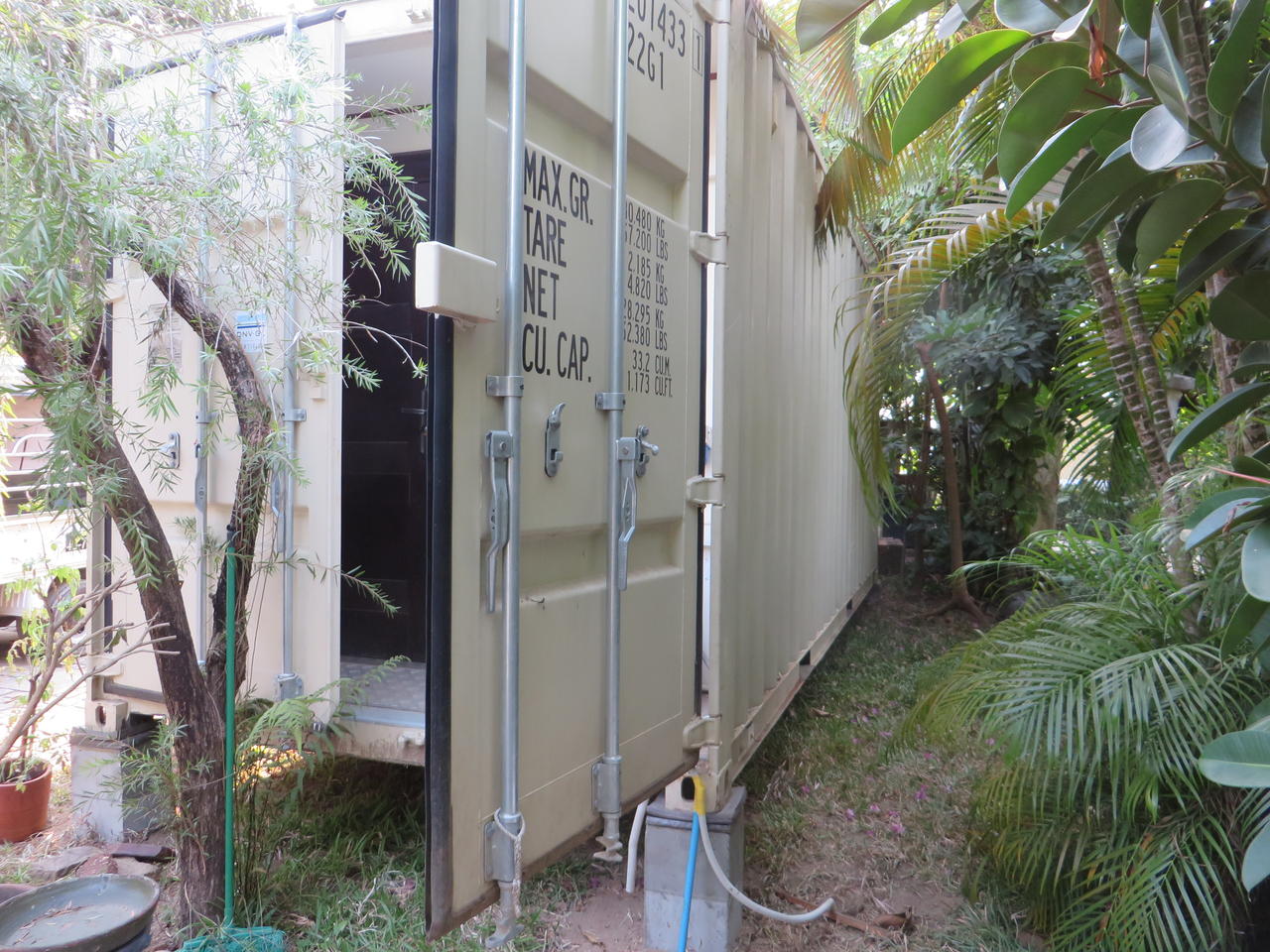
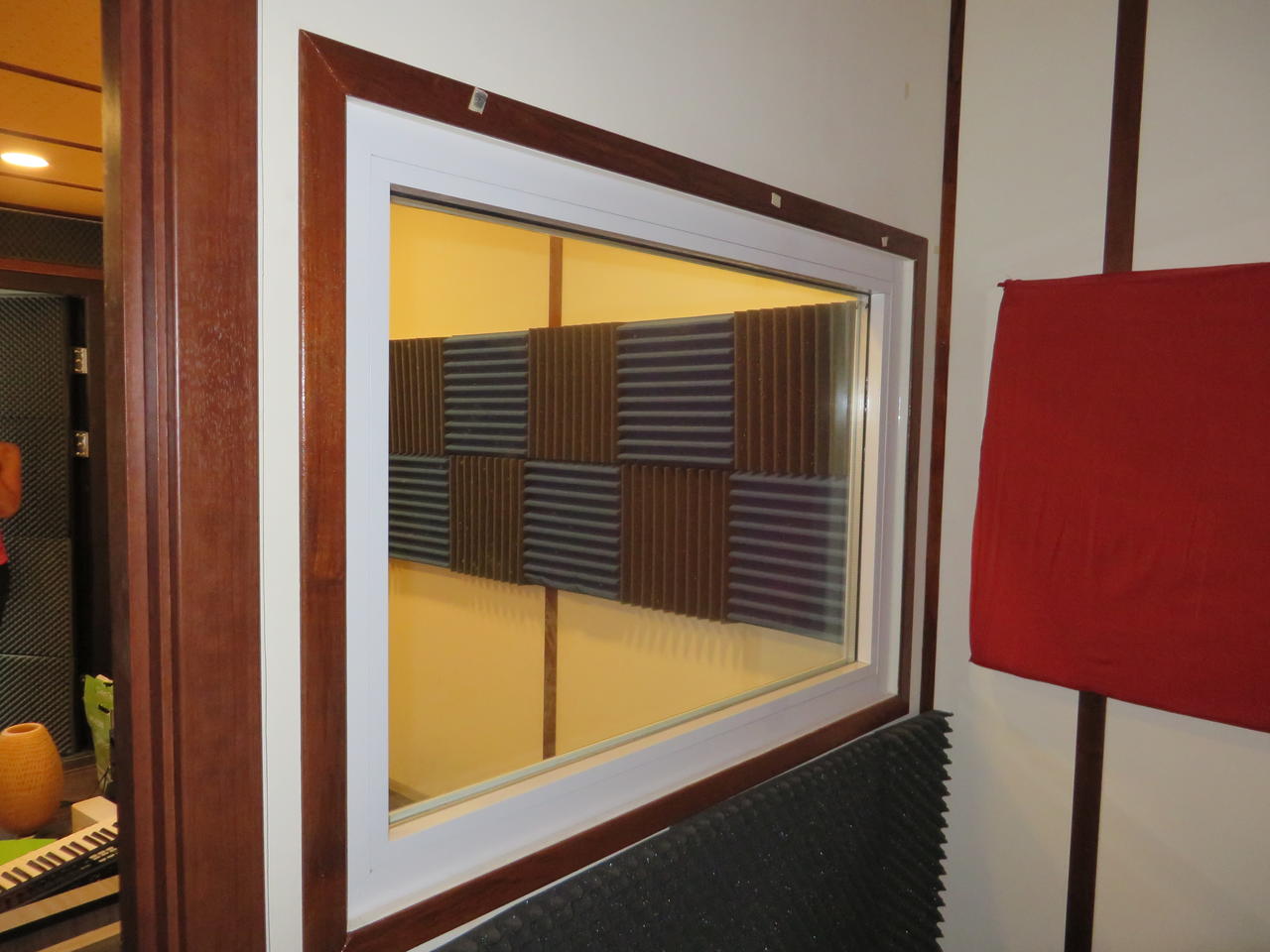
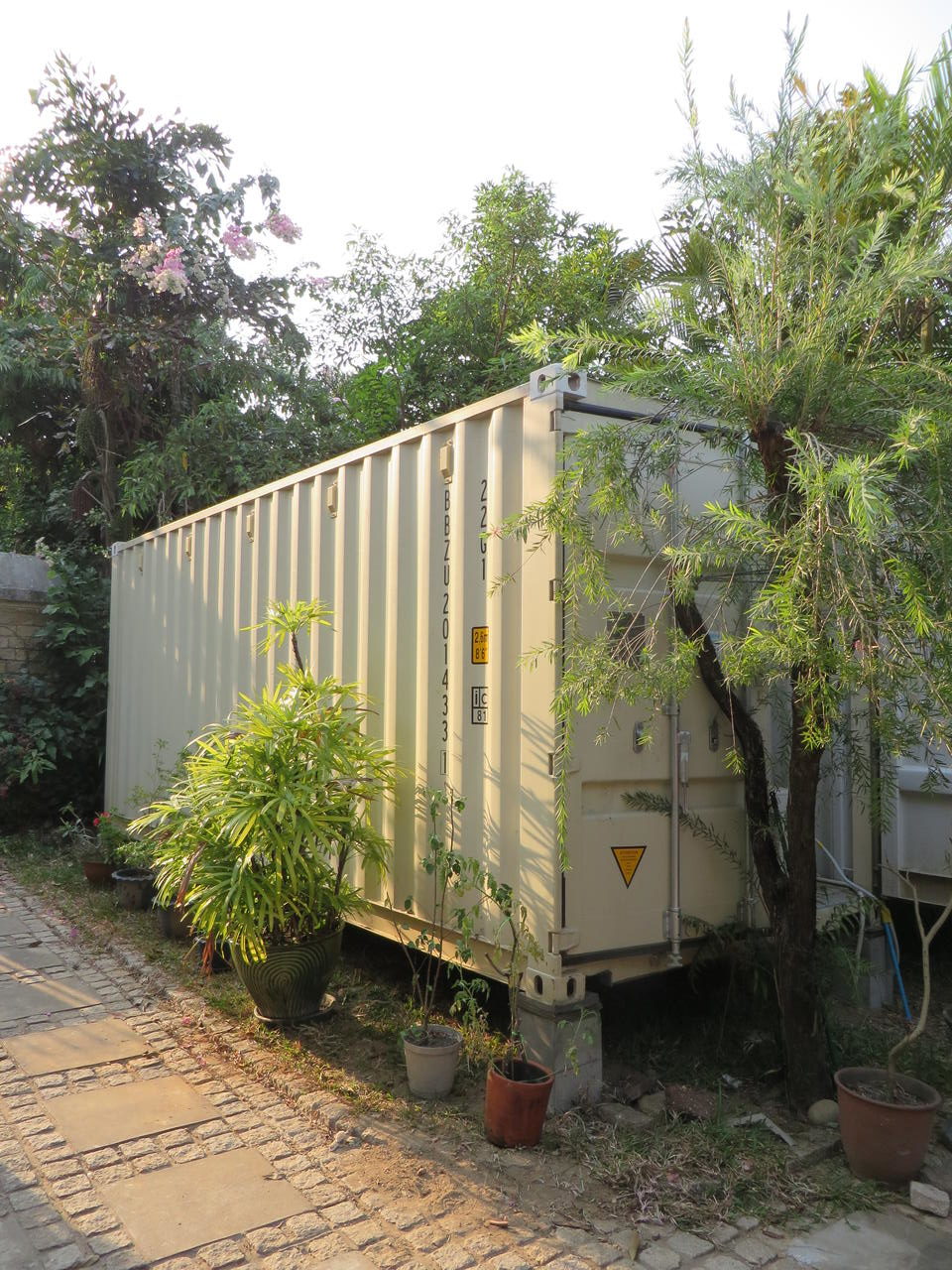
The container-studio is already owned by Mélanzé and operational as a creative infrastructure in Northern Kenya. The grant will make it field-ready through a solar power system, transport configuration, Starlink connectivity, additional audio equipment and field protection.
At each stop, the studio becomes a temporary public space where music is recorded, conversations gathered, photographs taken and community stories shared.
At project end, the studio remains in Northern Kenya, hosted by Green Earth Warriors under a use and maintenance agreement. It will continue to support youth storytelling and music production by artists and partners in the region.
The team
Kenya-rooted, internationally connected
The project is co-led with young Kenyan creators, artists and community organisers in paid and credited roles. They shape the story from the start.
Project Leader
Joan Bastide
Social and environmental entrepreneur, storyteller and geographer. PhD Geneva. Lived and worked in Laikipia 2019-2022 with the Wyss Academy for Nature.
Field coordination
Emmanuel Miliko
Field producer and community facilitator. Long-standing networks across Laikipia, Samburu and Isiolo.
Ethical storytelling
Naisula Lepariyo
Cultural advisor focused on women, elders, youth and pastoral knowledge transmission.
Documentary backstop
Thomas Grand
Senior documentary director and producer. His films have received more than 80 international awards.
Soundtrack & sonic identity
Doctor L
Producer and composer. Long history of collaborations across African and European music scenes.
Community partner
Green Earth Warriors
Kenyan youth-led organisation. Will host the mobile studio after the expedition for continued youth storytelling.
Foundations
Built on years of work in the region
Savannah Express is not a one-off expedition. It extends infrastructure, relationships and creative practice developed in the corridor since 2019.
Region
Kenya expertise
Wyss Academy work, USAID consultancy, pastoral systems, drylands.
Music
SomOne Music
Production with Titoh Star, Sammy Ramaz and regional artists.
Infrastructure
BBZU studio
The mobile container-studio, already operational in Northern Kenya.
Producer
Mélanzé
The Senegal hub. Publishing, music production, creative residencies.
Partner, support, follow the journey
Savannah Express is currently seeking partners and funding. The project is open to partnerships: broadcasters, festivals, climate networks, cultural platforms and supporters interested in field-rooted storytelling from East African drylands.